

Key information
Accepted Sample Types
- All types of solid samples: powder, wafer, fabric, film, single crystal, nanoparticles, bulk, etc.
- Organic, inorganic, or hybrid materials
- Metals, graphite, zeolites, fibers, ceramics, thin films
- Location: rue Jean Starcky
- Monochromatic X-ray source: Al Kα (1486.6 eV), VG Scienta SAX100 with XM780 monochromator
- Analyzer: Hemispherical, 200 mm radius
- Operating vacuum: Ultra High Vacuum (UHV), between 10⁻⁹ and 10⁻¹⁰ mbar
- Detector: MCP with phosphor screen and CCD camera for imaging
- Energy resolution: 0.4 eV (at Fermi level)
- Flood Gun: VG Scienta FG300 for analyzing non-conductive samples
- Detectable elements: All elements from atomic number Z = 3 (except H and He), with concentrations > 0.1%
- Analyzed depth: 3 to 9 nm (surface analysis)
- Sample dimensions: between (6×4 mm) and (30×30 mm), max height: 16 mm
- Accessibility: Not self-service
- Data processing: By the manager or the user after training with CasaXPS software
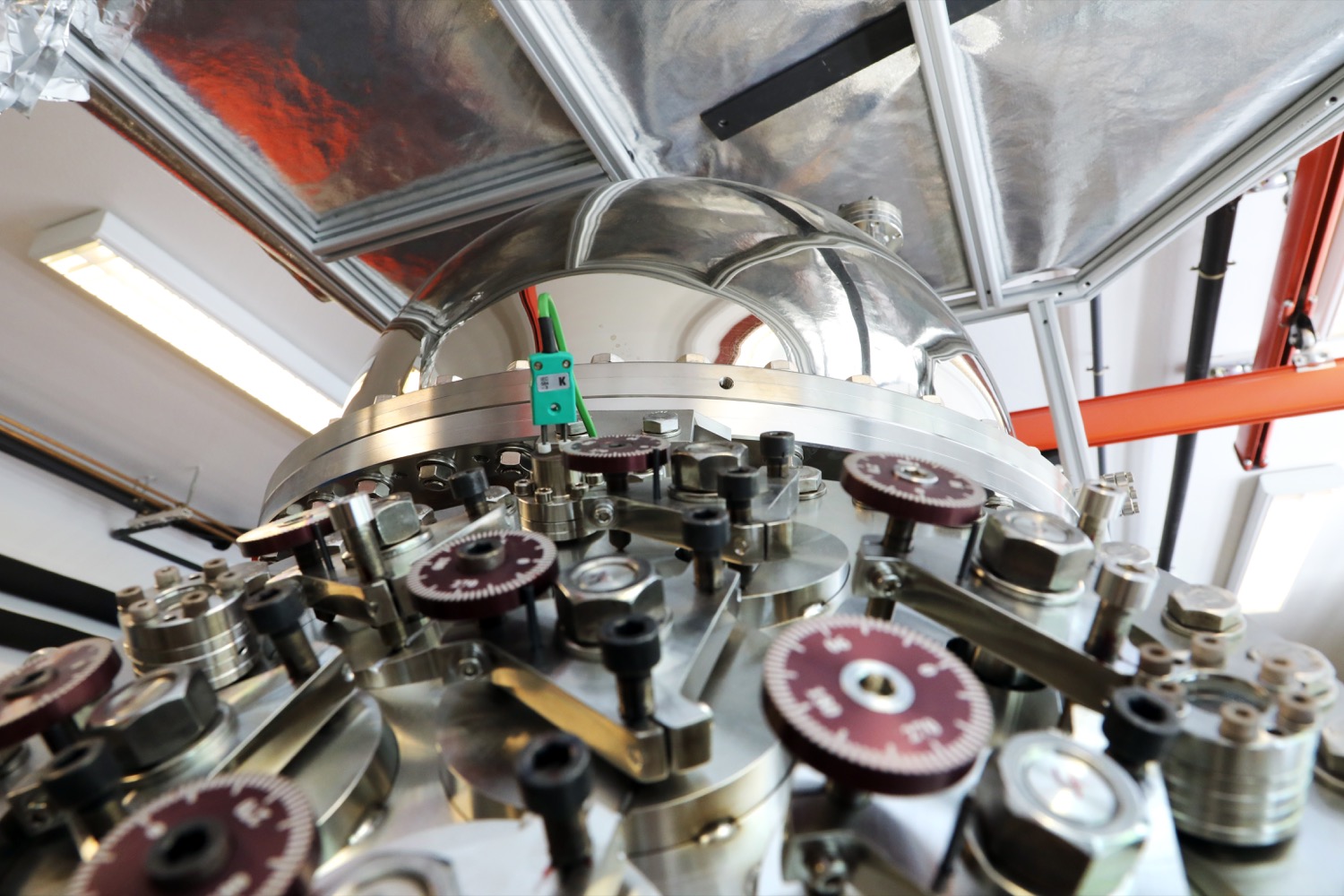
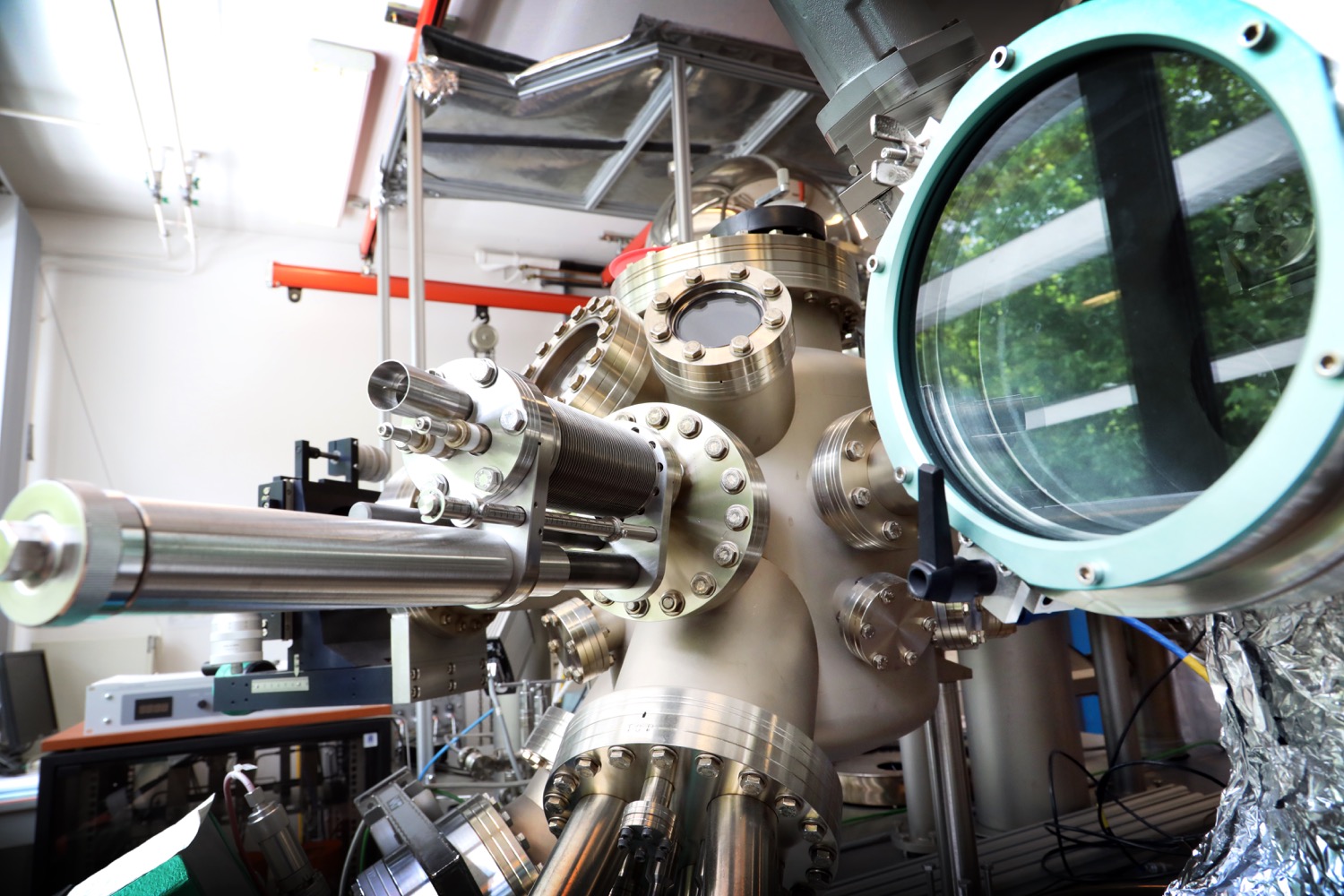
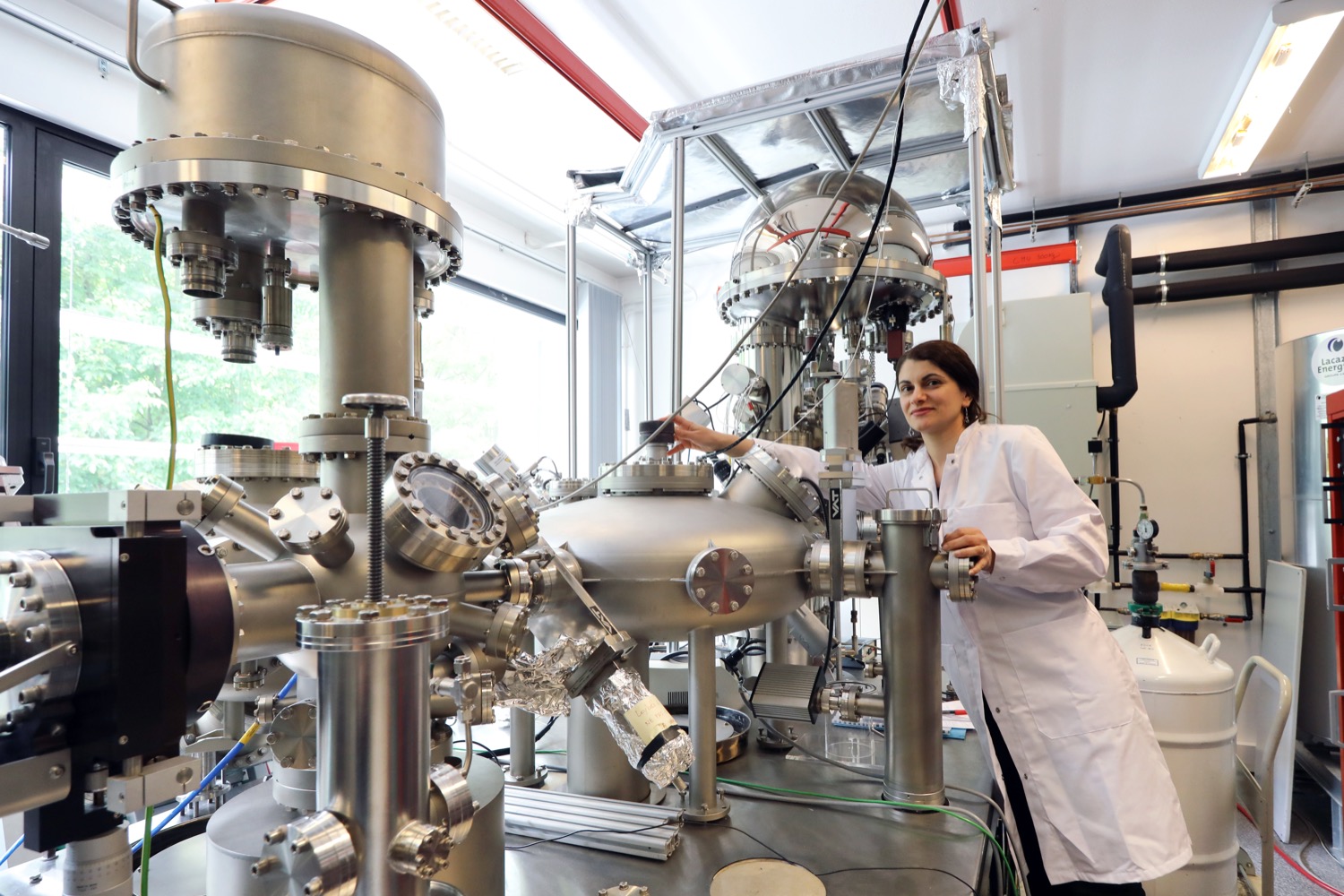
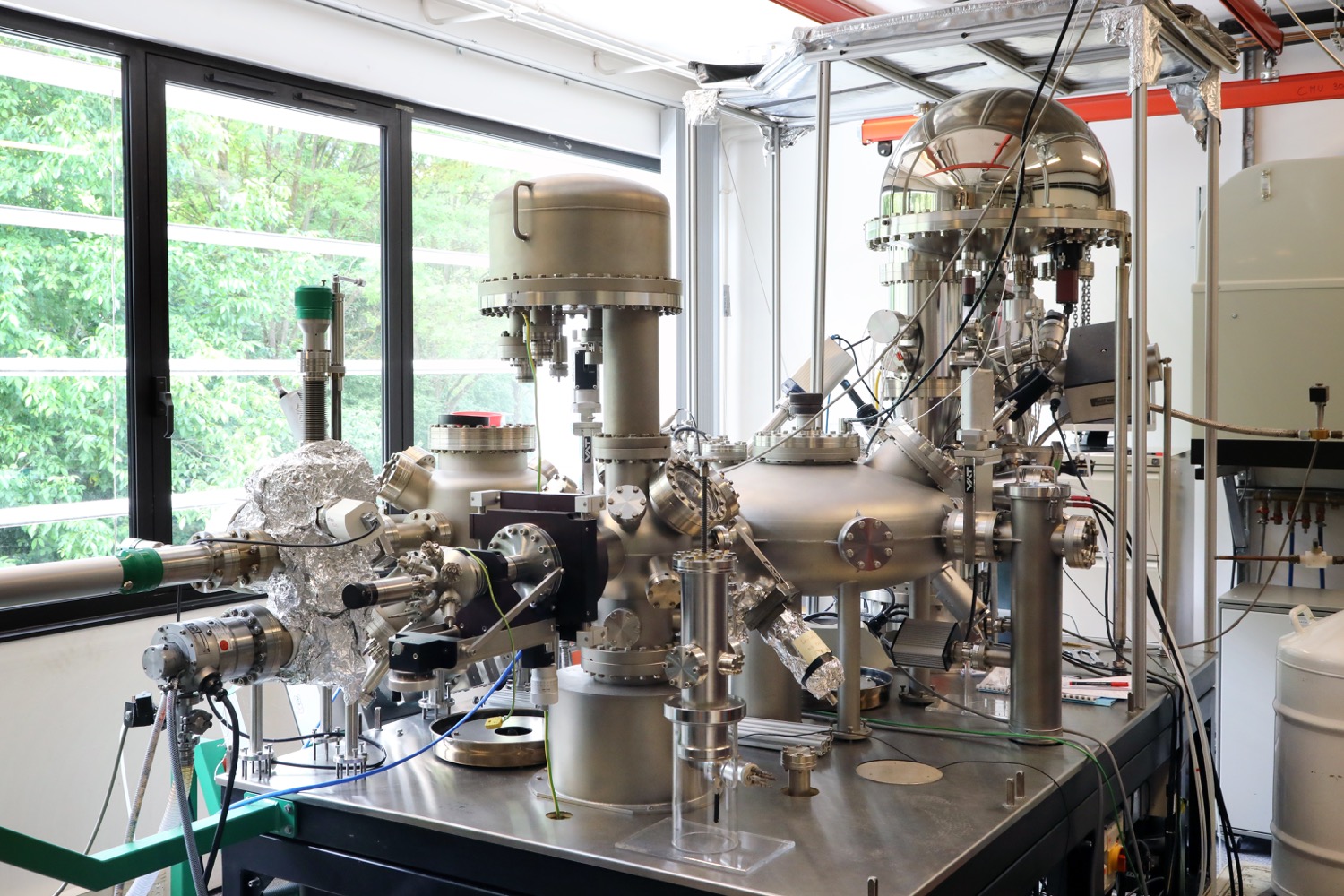
VG SCIENTA SES-2002 XPS Spectrometer
What is it for?
- Identification and quantification of chemical elements at the surface of materials
- Study of chemical states and atomic bonding
- Characterization of thin layers, coatings, and films
- Analysis of surface contamination and oxidation
- Investigation of chemical modifications from thermal or ion treatments
Application Areas
- Catalysis, polymers (functionalization, packaging, plastics, resins, etc.)
- Metallurgy (corrosion, oxidation, etc.)
- Aerospace/automotive (adhesion, coatings, paints, etc.)
- Energy (batteries, biomass, etc.)
- Microelectronics, biology, nanomaterials, semiconductors, etc.
- Surface physics and chemistry
- And more…
Available Measurement Types:
-
-
General XPS spectrum allows:
• Identification of all elements (except H and He)
• Determination of atomic concentrations with a detection limit of 0.1% -
High-resolution XPS spectra allow the determination of:
• The nature of chemical bonds and the local environment of atoms
• The oxidation states of the elements -
Angle-resolved XPS (ARXPS) and/or ion sputtering allow:
• Detection of surface segregation
• Depth profiling
-
Possible In-situ Treatments
-
-
- Argon ion sputtering (Ar⁺): Our ion gun enables sputtering for depth profiling or surface cleaning
- Thermal treatment: A heating device allows reaching up to 850°C under UHV or controlled atmosphere
- Residual gas analysis using a mass spectrometer
- Gas adsorption: Equipped with a gas line for adsorption experiments up to atmospheric pressure.
- Other Equipment
- Transport suitcase for samples sensitive to air: Enables transferring samples prepared in a glove box under argon atmosphere and analyzing them by XPS without any exposure to ambient air.
-